
Photo: Danamania / CC0 / Wikimedia Commons · source
PowerBook 100
A slim, light Mac that defined how laptops are laid out.
Overview
The PowerBook 100 was built together with Sony and was the lightest of the three PowerBooks that debuted in October 1991. It had a 16 MHz 68000 processor, a 9-inch passive-matrix screen and no internal floppy drive; a lightweight external drive and a hard disk filled that role.
Its layout set a pattern that every laptop since has copied: the keyboard pushed toward the back, an area for the wrists in front, and a pointing device in the middle. The design was a hit and brought Apple a very large share of the portable market within a year.
Because the case was so compact, internal expansion was limited, but a clever SCSI disk mode let it act as a hard drive for another Mac.
Why it mattered
Introduced the keyboard, palm rest and trackball layout that became the standard for notebooks.
At a glance
- Announced
- October 21, 1991
- Released
- October 21, 1991
- Discontinued
- October 19, 1992
- Launch price
- $2,500
- Chip / processor
- Motorola 68000, 16 MHz
- Display
- 9"
- Storage
- 20 MB
- Status
- Vintage
Highlights
- Designed in cooperation with Sony
- Trackball between palm rests
- About 2.3 kg
- SCSI disk mode
- No internal floppy drive
Tech specs
Specifications as published at launch. Some values (like battery life) are manufacturer estimates.
Display
- Size
- 9-inch
- Type
- Monochrome passive-matrix LCD
- Resolution
- 640 x 400
Chip
- Chip
- Motorola 68000, 16 MHz
Memory
- RAM
- 2 MB, expandable to 8 MB
- Storage options
- 20 MB or 40 MB hard drive
Ports
- Ports
- SCSI, ADB, serial, modem/memory slot
Design
- Weight
- About 2.3 kg (5.1 lb)
Software
- Launch OS
- System 7.0
How it compares

More in the PowerBook family
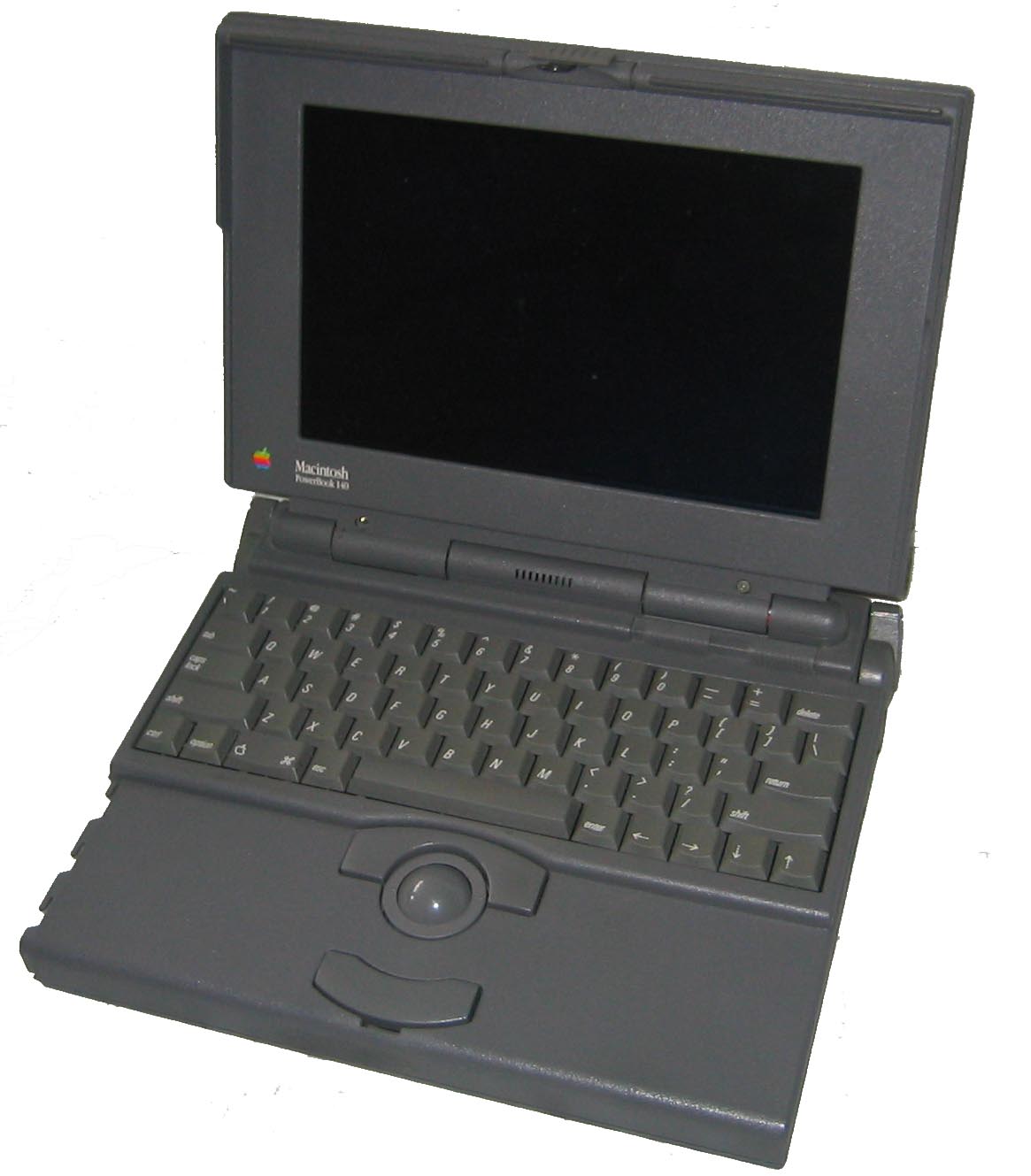
PowerBook 140
The mainstream PowerBook with a faster 68030 and a built-in floppy.
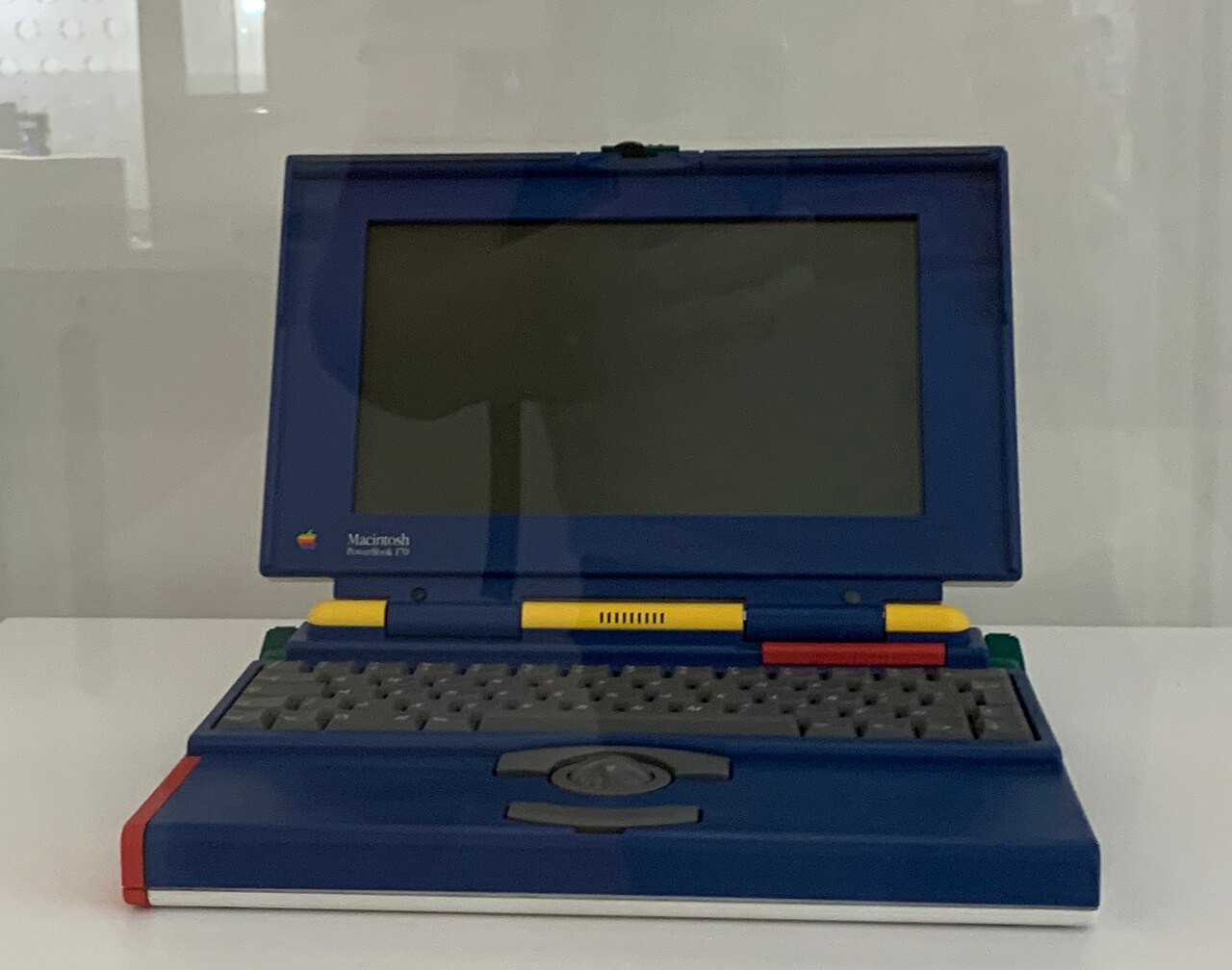
PowerBook 170
Top of the first PowerBook line with an active-matrix screen.
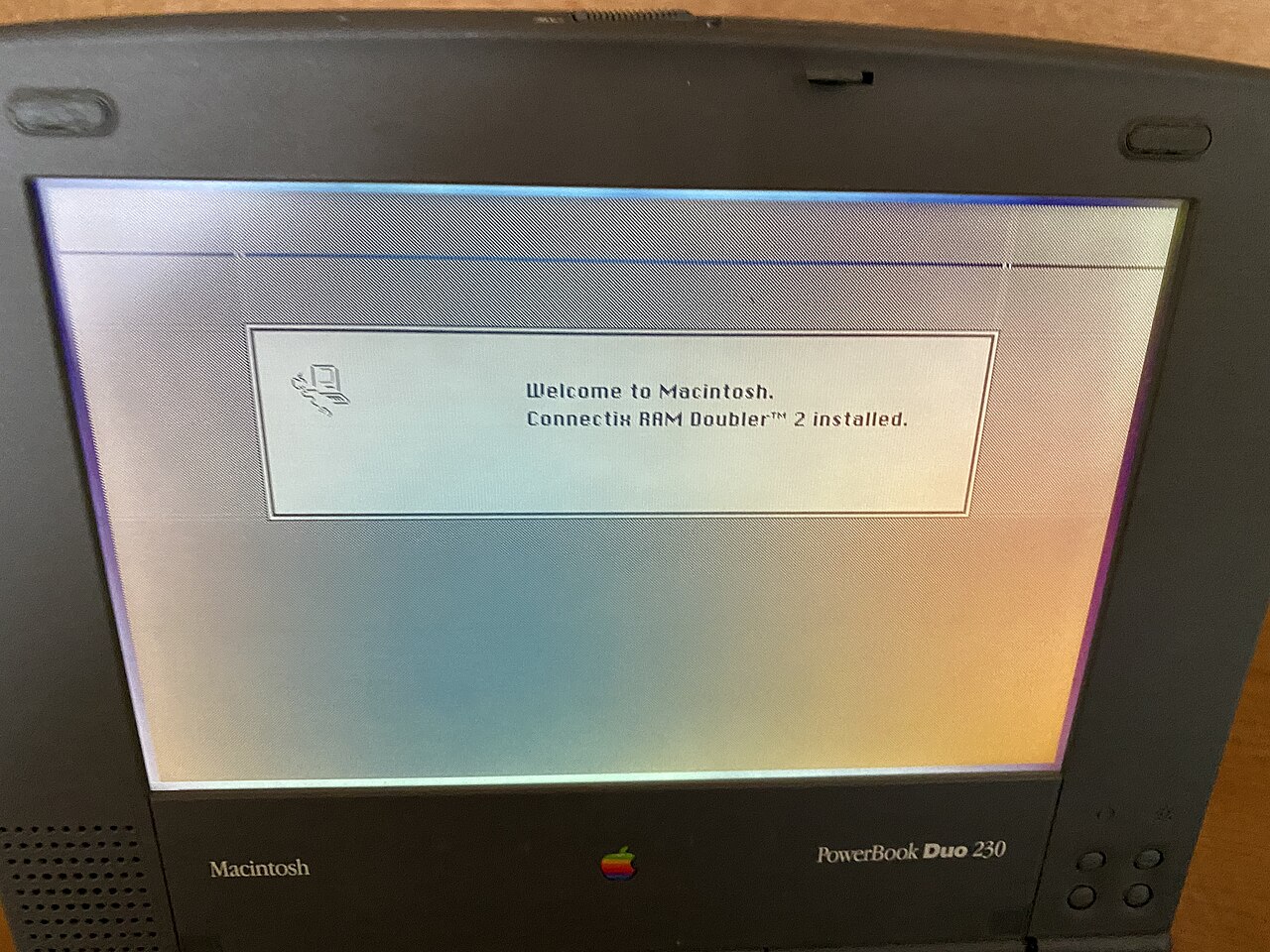
PowerBook Duo 230
An ultralight notebook that docked into a full desktop.

PowerBook 180
The fast 68030 PowerBook with the sharpest grayscale screen yet.

PowerBook 540c
A redesigned flagship with a trackpad and a color screen.

PowerBook 5300
The first PowerPC PowerBook, famous for lithium-ion woes.

PowerBook 1400
A rugged workhorse with a bay for a CD-ROM drive.

PowerBook 3400
Billed as the fastest notebook in the world when it launched.