

The original iPhone of 2007 had a 2-megapixel rear camera with fixed focus, no flash and no video recording. It was serviceable for casual snaps and little more.
Progress came in steps. The iPhone 3GS added autofocus and video in 2009. The iPhone 4 in 2010 brought a 5-megapixel sensor, an LED flash and a front camera for FaceTime. The iPhone 5s introduced a two-tone flash in 2013, and the iPhone 6 Plus offered optical image stabilization in 2014.
In 2016 the iPhone 7 Plus added a second, telephoto lens, which allowed optical zoom and a software-driven Portrait mode that blurred backgrounds. The iPhone X in 2017 added Portrait Lighting effects, and the TrueDepth camera brought portrait shots to the front.
The iPhone 11 generation in 2019 introduced an ultra-wide lens and Night mode, which merges many exposures to brighten dark scenes. This was a turning point: software processing, rather than just the lens, was now the star. The iPhone 12 Pro Max brought a larger sensor with sensor-shift stabilization, and the iPhone 13 introduced Cinematic mode for video focus changes.
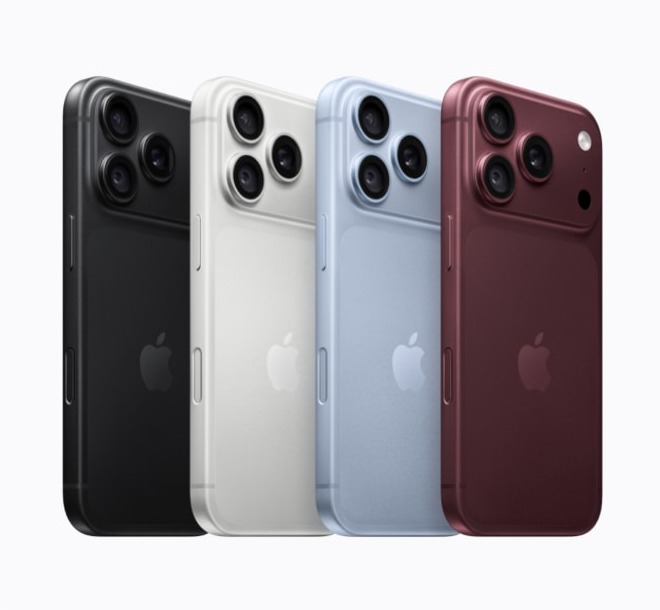
The iPhone 14 Pro raised the main camera to 48 megapixels in 2022. The iPhone 15 Pro Max added a longer telephoto lens, and the iPhone 16 family introduced a dedicated Camera Control button.
Across these generations, the biggest changes were less about megapixels than about computational photography: combining multiple frames, using machine learning to tune colors and tone, and building depth maps. That is why a recent iPhone can outdo older cameras with far larger sensors in certain conditions.


0 comments