
Early iPhones used processors designed by other companies, including Samsung chips based on ARM designs. Apple's decision to build its own began in earnest in 2008, when it acquired the chip design firm P.A. Semi. In 2010 it bought Intrinsity, which added further expertise.
The A4 debuted in the original iPad in 2010 and the iPhone 4 the same year. It was the first system on a chip Apple could call its own, even though it still used ARM building blocks.
Over the next few years Apple grew its chip team and published steady gains. The A7, in the iPhone 5s in 2013, was the first 64-bit processor in a smartphone, which caught rivals off guard. The A11 Bionic in 2017 brought Apple's first Neural Engine, a block dedicated to machine learning tasks such as Face ID.
Owning chip design lets Apple align hardware and software closely. It can set aside silicon for features like image processing and video decoding, and it can plan releases around its own schedule rather than a supplier's.
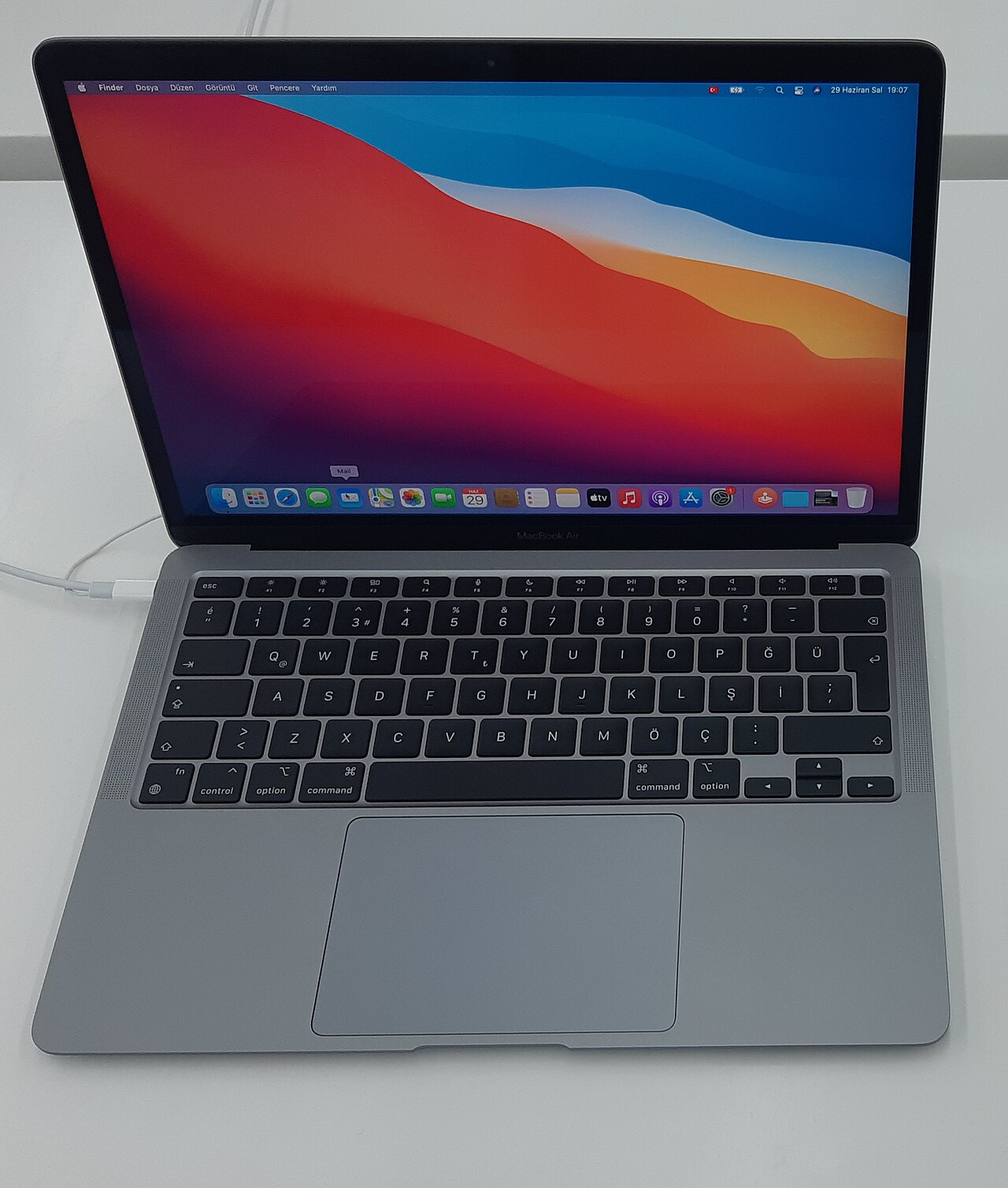
In 2020, Apple extended that strategy to Macs with the M1, using the same basic approach in laptops and desktops. Manufacturing is handled by partners, most notably TSMC, since Apple designs chips but does not run its own fabrication plants.
The chip story is a case study in vertical integration. It is also a risk, because it makes Apple dependent on a small number of suppliers for the most advanced manufacturing.


0 comments