
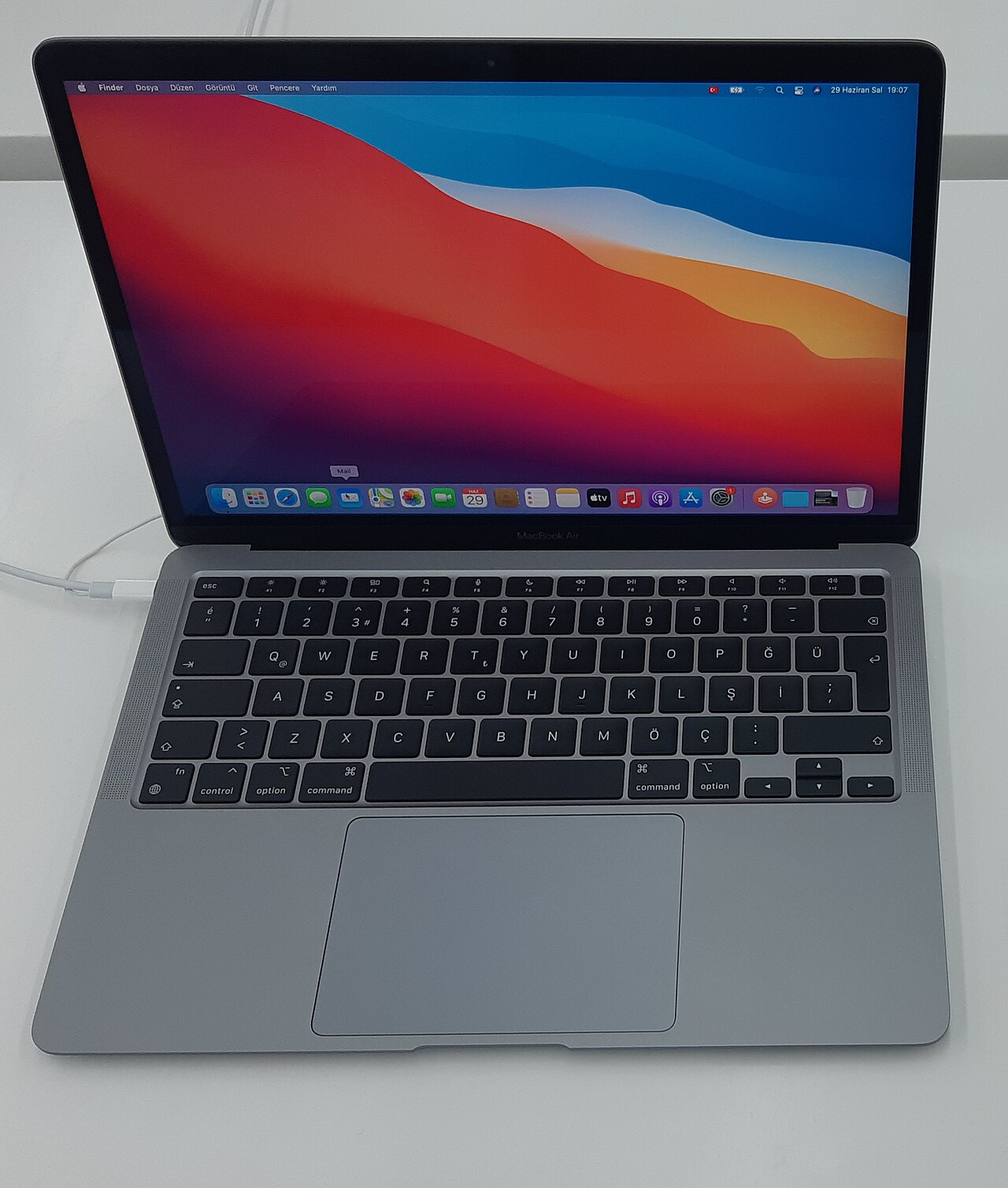
At WWDC in June 2020, Apple announced that the Mac would move from Intel processors to chips of its own design. It was the Mac's third major processor transition, after the move from Motorola 68000 chips to PowerPC in the 1990s and the switch to Intel in 2006.
The first result was the M1 in November 2020. It put the CPU, GPU, Neural Engine and memory into a single system on a chip. Because memory is shared among all the processing units, data does not have to be copied between separate pools, and Apple calls this unified memory architecture.
Reviewers noticed two things above all. Performance per watt was far better than in the Intel machines they replaced, and laptops lasted much longer on a charge while running cooler and quieter. Apple's own chips also let it tune the processor to the features it wanted, such as media engines for video encoding.
Apple eased the software transition with Rosetta 2, which translates Intel-built apps so they can run on Apple silicon, and with Universal binaries that carry code for both architectures. Developers moved quickly, because Apple's tools made recompiling straightforward and the iPhone and iPad already shared the same chip family.
The line expanded in stages. M1 Pro and M1 Max arrived in October 2021 in redesigned MacBook Pro models, and M1 Ultra in March 2022 joined two Max dies in the Mac Studio. Apple said the transition to its own silicon was complete in June 2023, when it released a Mac Pro with M2 Ultra.
The trade-offs are real. Memory and storage are generally soldered to the board, so upgrades must be chosen at purchase, and Boot Camp and Windows on the Mac no longer work the way they did with Intel. For most buyers, though, the change made Apple's laptops and desktops faster, quieter and more efficient than they had been in years.

0 comments