#Mac

Every story tagged #Mac

How Apple silicon changed the Mac

AnalysisOct 8, 2026 at 3:30 AM

At WWDC in June 2020, Apple announced that the Mac would move from Intel processors to chips of its own design. It was the Mac's third major processor transition, after the move from Motorola 68000 chips to PowerPC in the 1990s and the switch to Intel in 2006.

The first result was the M1 in November 2020. It put the CPU, GPU, Neural Engine and memory into a single system on a chip. Because memory is shared among all the processing units, data does not have to be copied between separate pools, and Apple calls this unified memory architecture.

Rumor: Bloomberg says Apple has ten products lined up for October

RumorsOct 8, 2026 at 12:02 AM

Rumor roundup. This piece summarises a Bloomberg report from Mark Gurman, as relayed by MacRumors on October 8.

The report said Apple would unveil smart home hardware on October 13: a new HomePod mini with new colors and a newer chip, an Apple TV 4K with an A19-class chip and an updated remote, and an entirely new hub with a square display of around 6 inches. Apple did announce a hub, an Apple TV and a HomePod mini on that day, though the final hub display size was 7 inches, which shows how details in rumors can shift.

Apple unveils M6 and M5 Ultra chips in new Mac mini and Mac Studio

NewsAug 25, 2026 at 11:40 AM

Apple announced new Mac mini and Mac Studio models on August 25, an unusual time of year for Mac hardware. Pre-orders opened right away, with deliveries and in-store availability from September 22.

The Mac mini now comes with either the new M6 or an M5 Pro. TidBITS describes the M6 as Apple's first chip on a 2-nanometer process, with a 12-core CPU and a 12-core GPU that includes Neural Accelerators. Apple says multithreaded CPU performance is about 1.2 times that of the M5. Both Mac mini versions gain Wi-Fi 7, Bluetooth 6 and Thread support through the N1 chip, and 2.5Gb Ethernet is standard.

A short history of the Mac menu bar

HistoryJul 22, 2026 at 5:00 AM

The original Macintosh of 1984 placed a menu bar along the top of the screen, with an Apple menu on the far left. Unlike Windows, where menus live inside each window, the Mac bar belongs to whichever app is active and always sits at the screen edge.

There is a practical reasoning behind that. A target at the edge of a screen is easy to hit, because the cursor stops there, so users can fling the pointer upward without careful aiming. Interface designers often cite this principle, known as Fitts's law, as a reason the top-edge menu is efficient.

Choosing a Mac laptop: a practical guide

GuidesJul 8, 2026 at 2:00 AM

Apple's laptop line is easier to navigate if you ignore chip names at first and ask what you do all day. Exact models and prices change, so confirm current details on Apple's website.

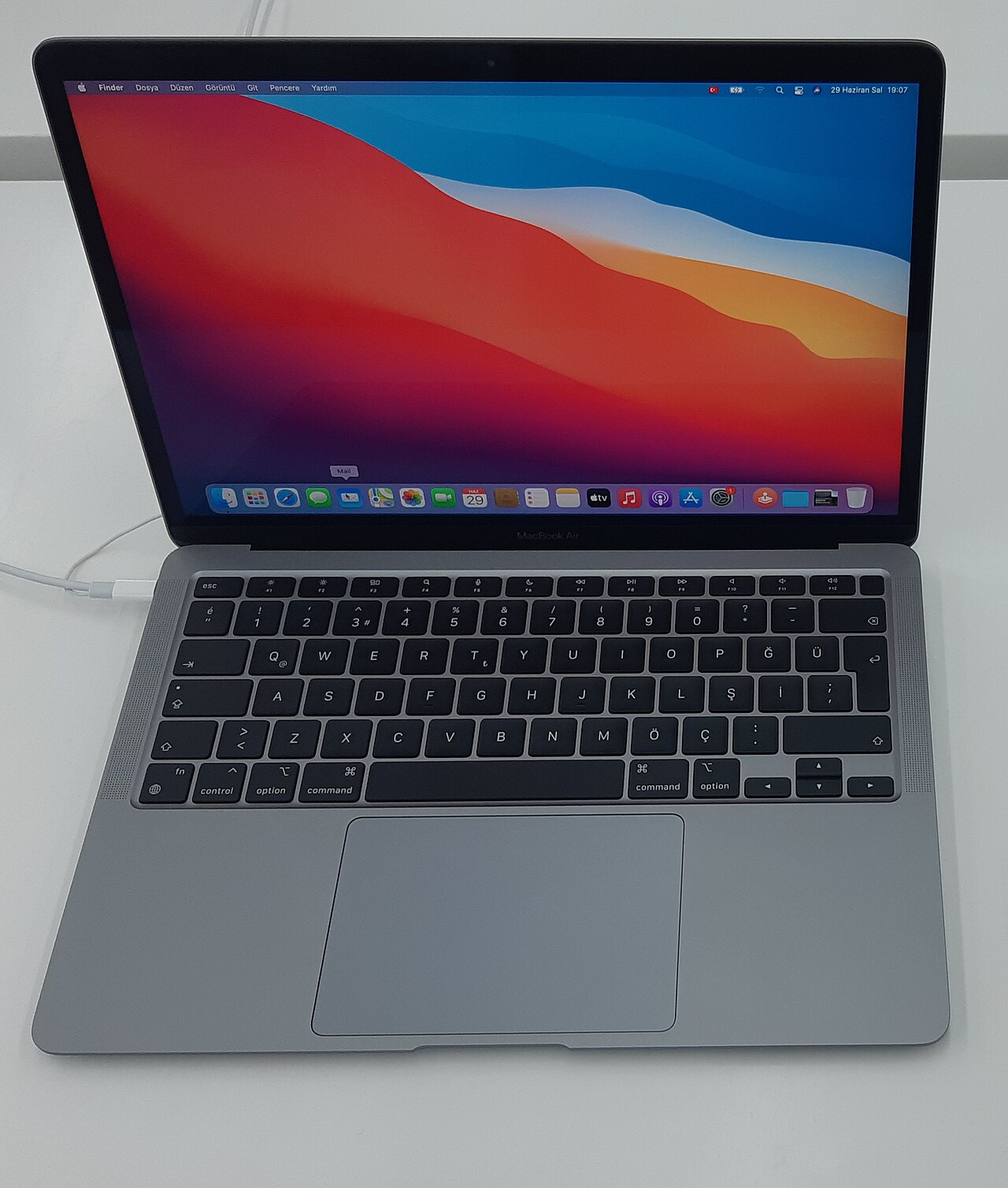
Air or Pro? MacBook Air models are thin and light and are well suited to browsing, office work, school, coding and light photo editing. Pro models add more powerful chip options, better displays and cooling for sustained workloads, which matters for video editing, 3D, large code builds and music production.

Memory comes first. Because memory is part of the chip package on Apple silicon, you cannot add it later. If you keep many apps and browser tabs open, or work with big files, choosing more memory is usually the most valuable upgrade.