

Apple plans to bring Reachability, the one-handed accessibility feature, to the iPhone Duo in a software update later this year, according to a review of the foldable published by WIRED and relayed by MacRumors.
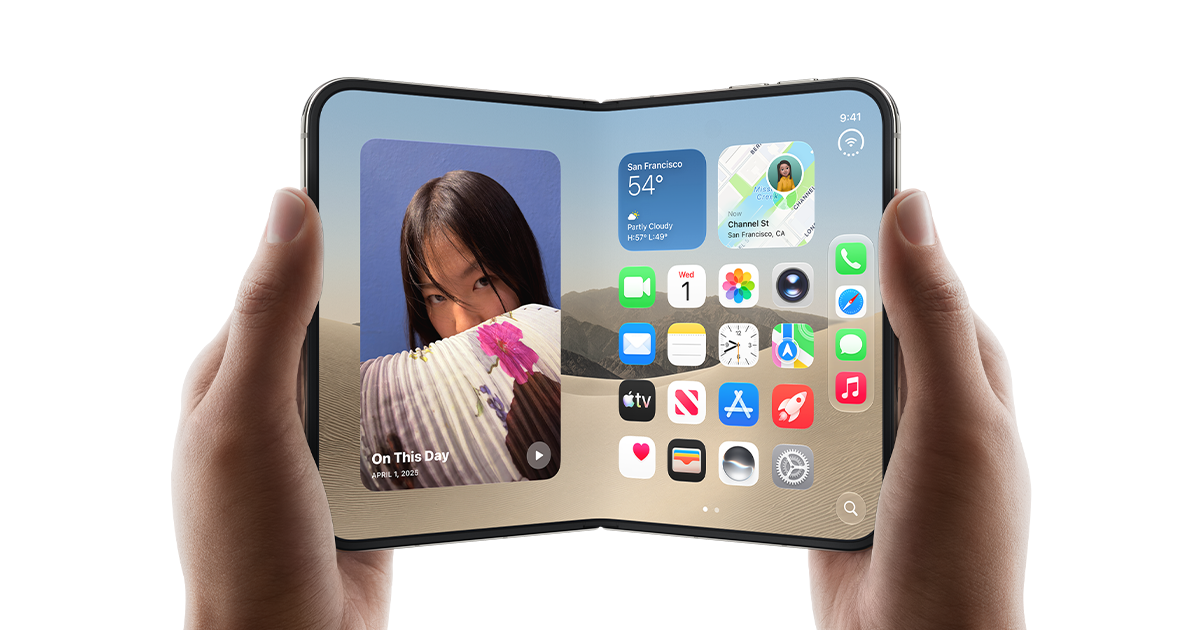
Reachability is a long-standing iPhone setting that lowers the top half of the interface toward the bottom of the screen when the user swipes down on the lower edge of the display. It exists to make large screens easier to operate with one thumb, and it is already available on other iPhone models. Its absence from Apple's first foldable has been a notable gap, given that the device pairs a 5.4-inch outer display with a 7.6-inch inner one.
The detail comes from WIRED reviewer Julian Chokkattu, whose iPhone Duo review says Apple told him the feature is on the way. MacRumors notes that the review does not quote Apple directly, so the claim rests on WIRED's account of what the company said. Neither report names the specific iOS version that will carry Reachability or gives a release date beyond "later this year."
It is also unclear how the feature will behave on a device with two screens. The source does not say whether Reachability will work on both the outer and inner displays, and MacRumors says only that it presumes it will. How Apple adapts a gesture designed for a single tall slab to the larger, tablet-like inner panel will be worth watching once the update arrives.
The timing matters because the iPhone Duo goes on sale on October 23, with pre-orders already open. Early buyers will therefore receive the phone without the feature and will need to wait for a follow-up update. Apple has previously described demand for the device as strong, and our recent coverage has tracked order limits and shifting delivery estimates.
For now, the report is a single-source account of Apple's plans and should be treated as such until the company confirms details in release notes or on its accessibility pages. We will update this story if Apple publishes specifics on timing or on how the feature works across the Duo's two displays.

0 comments